2026-09-01
Cable Tie Anti‑Brittleness Maintenance: Avoid Breakage & Improve Harness Reliability
Many electrical engineers and project buyers overlook cable tie brittleness as a minor issue. In fact, cracked or broken ties can trigger harness displacement, short‑circuit risks and costly field repairs, which directly undermine overall equipment reliability. To mitigate such engineering risks, it is critical to understand what are cable ties made of and how do cable ties work before carrying out regular anti‑brittleness maintenance.
Brittleness seldom appears right after installation. It gradually occurs under UV radiation, extreme temperature cycles, humidity and long‑term mechanical stress. Low‑grade ties with recycled raw materials tend to turn hard and fragile within a short service period, even under normal working conditions.
Improper handling also speeds up material aging. Many field technicians cut or snap ties roughly without knowing how to remove nylon cable tie properly. Violent disassembly creates invisible micro‑cracks on tie bodies. Those hidden cracks will expand under environmental stress and finally cause unexpected fracture months later.
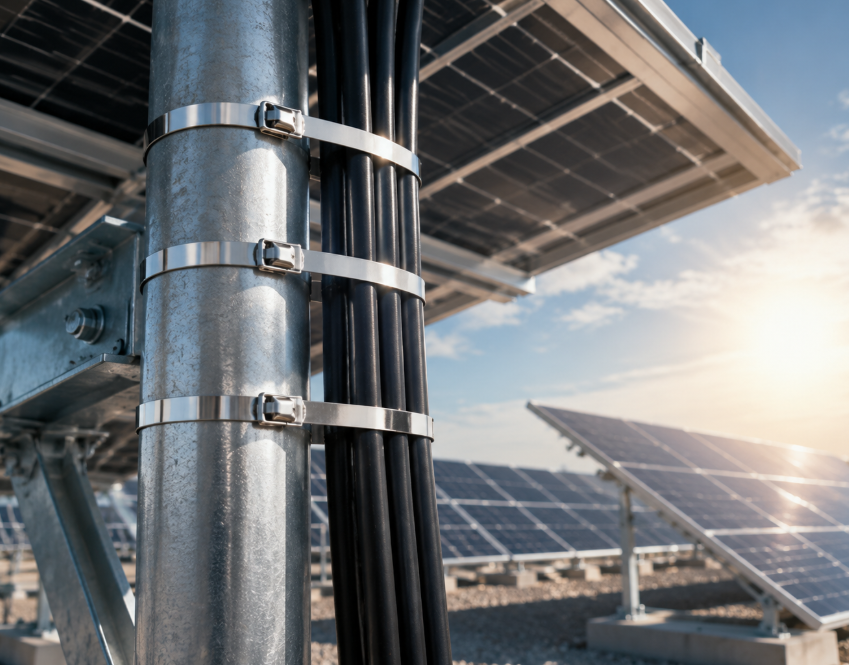
Poor cable tie performance brings real‑world losses for B2B projects. Broken ties require repeated on‑site inspection and replacement, raising after‑sales maintenance workload. In outdoor photovoltaic, new‑energy and cabinet projects, brittle tie failure may lead to harness chaos and hidden safety hazards, hurting project acceptance and brand reputation.
Anti‑brittleness maintenance is more than simple part replacement. It combines material selection, standardized installation and correct disassembly operations. Once you master what are cable ties made of, how do cable ties work and how to remove nylon cable tie, you can greatly extend harness service life and boost long‑term environmental adaptability of your whole system.
This practical maintenance guide explains root causes of brittleness, distinguishes industrial‑grade products from cheap alternatives, shares standardized operation steps and offers professional product suggestions for mass‑use engineering scenarios.
What are cable ties made of and why does material determine anti‑brittle performance?
If you want to fight cable tie brittleness effectively, you first need clear answers to what are cable ties made of. Qualified industrial cable ties are mainly produced from UL‑certified virgin Nylon 66, featuring balanced toughness, tensile strength and ageing resistance.
Nylon 66 absorbs appropriate moisture to keep flexibility. Recycled‑material ties cut production costs at the expense of molecular stability. They lose ductility quickly under sun exposure or cold weather and become easy to shatter.
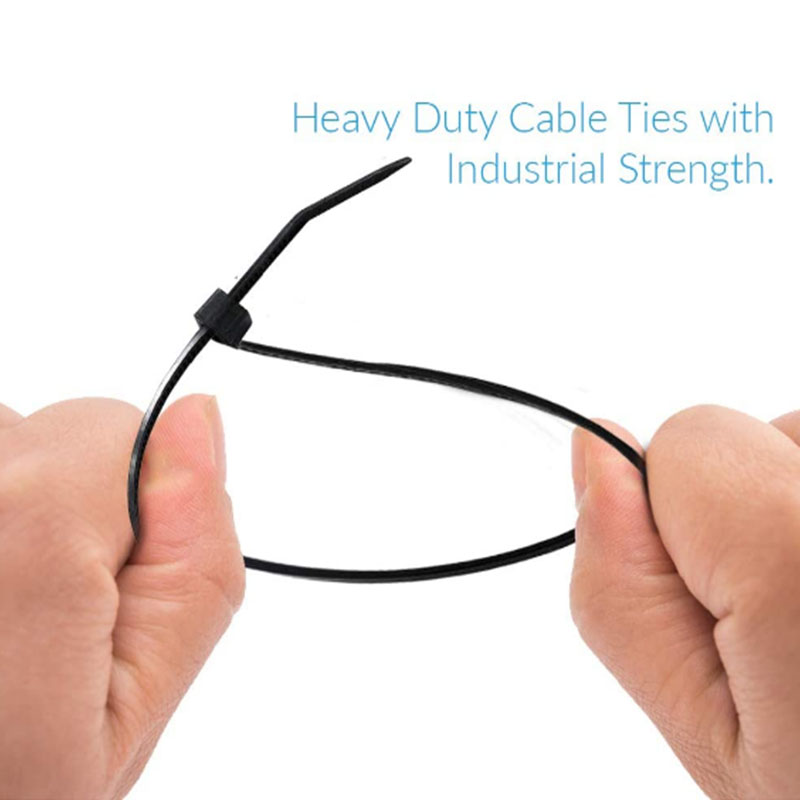
It is also necessary to know how do cable ties work. A nylon cable tie relies on interlocking tooth‑and‑ratchet structure to lock bundling force. Only ductile raw material can maintain stable locking performance for years.
When material becomes brittle, teeth crack easily under vibration or temperature change. The locking mechanism fails even if the tie looks complete. Different application environments also set different requirements: outdoor installations need extra UV‑resistant additives to slow down brittleness.
Material selection accounts for most anti‑brittleness work. Even careful daily maintenance cannot compensate for defects of low‑quality raw materials for long‑term engineering projects.
How do cable ties work in daily maintenance and how to remove nylon cable tie without damage?
To carry out reliable on‑site maintenance, you should understand how do cable ties work in real‑world service. Under continuous vibration and temperature swing, qualified ties keep moderate elasticity to hold harness tightly without cutting cable insulation.
During equipment overhaul or cable adjustment, many operators directly cut ties with pliers. This quick method may scratch wire jackets and waste usable ties. More importantly, rough prying leaves micro‑damages on surrounding retained ties.
Learning how to remove nylon cable tie in a non‑destructive way helps reduce hidden brittleness risks. Use a small flat tool to lift the locking tab gently, then pull back the tie tail smoothly. You can reorganize wiring without generating new cracks on tie bodies.
Yueqing Huihua is a professional Chinese cable tie supplier focusing on industrial wiring solutions. Our core products adopt 100% virgin UL‑certified Nylon 66, delivering excellent environmental adaptability against UV, high heat and low temperature.
Huihua industrial‑grade cable ties resist premature brittleness for long‑term outdoor and indoor deployment. They maintain stable locking performance whether used in new‑energy cabinets, automotive harnesses or photovoltaic projects. We support bulk orders and customized specifications for global B2B buyers.
Compared with generic market‑level ties, Huihua products reduce field replacement frequency and cut overall after‑sales maintenance cost for system integrators and equipment manufacturers.
What maintenance habits can effectively prevent cable tie brittleness in mass projects?
Choosing premium raw‑material ties lays a solid foundation, yet standardized operation habits further delay brittleness and improve equipment reliability for mass‑production projects.
Match tie grade with application scenarios. Assign UV‑resistant heavy‑duty ties for outdoor exposed locations. Avoid applying general‑purpose indoor ties under direct sunlight or drastic temperature fluctuation.
Control fastening tension during installation. Over‑tight mounting creates excessive material stress and accelerates ageing. Keep reasonable clearance so ties can bear minor thermal expansion and contraction.
Train field technicians on how to remove nylon cable tie properly. Minimize violent cutting and prying during routine inspection. Schedule periodic spot‑checks to replace aged ties before brittle fracture occurs.
Source ties and supporting technical guidance from one trusted supplier. Unified material standard helps you keep consistent anti‑brittleness performance across different batches of your projects.
Frequently Asked Questions
Q: Why do nylon cable ties turn brittle after long‑time outdoor service? A: UV rays and temperature cycles damage nylon molecular structure. Low‑grade recycled‑material products suffer this problem much faster. Industrial UV‑stable Nylon 66 ties greatly extend service life.
Q: What are cable ties made of for anti‑brittle industrial versions? A: Reliable anti‑brittle cable ties are made of virgin UL‑certified Nylon 66 with optional UV‑resistant additives for harsh environments.
Q: What is the correct way how to remove nylon cable tie without harming cables? A: Lift the locking tab with a thin flat tool to release the ratchet, then pull out tie tail smoothly instead of forced cutting or snapping.
Q: What anti‑brittleness advantages do Huihua cable ties provide? A: Huihua uses pure virgin Nylon 66 with full certifications. Our ties maintain good toughness under complex conditions and lower field‑failure risks for your projects.
Our Recommended Products
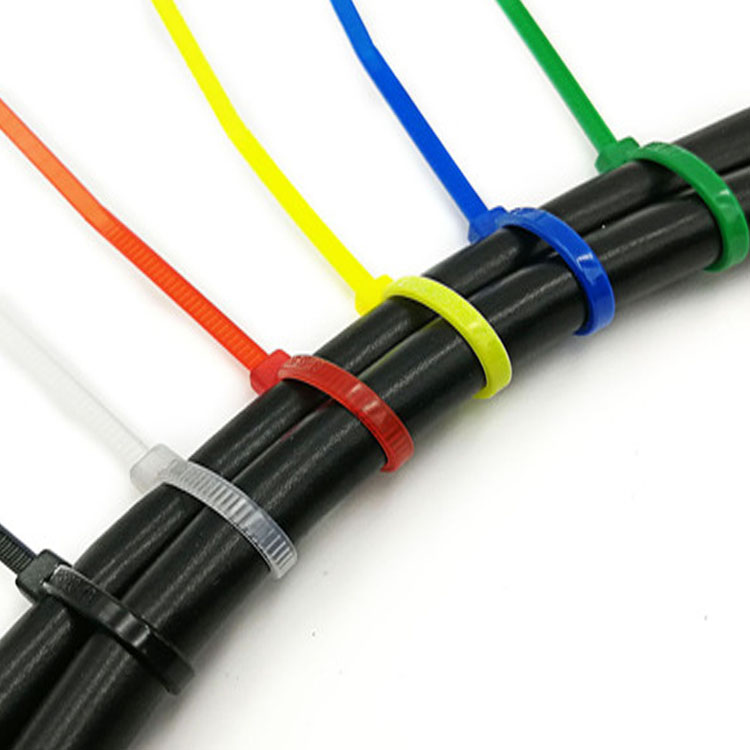
1. UL‑Certified Nylon 66 Cable Ties High tensile strength, balanced toughness, for cabinet wiring and general industrial harness bundling.
2. UV‑Resistant Heavy‑Duty Cable Ties Optimized for outdoor, photovoltaic and harsh‑condition deployment, effectively delaying brittleness ageing.
3. Multi‑Size Bulk Cable Tie Solutions Various widths and lengths available. Support OEM and large‑volume purchasing for system integrators and equipment manufacturers.
Contact our team to obtain catalog and bulk quotation, and build stable harness solutions with better environmental adaptability.