2026-06-12
The History of Cable Ties – From Simple Fastening Tool to Industrial Essential
Cable ties, also known as zip ties, may look like a simple plastic fastening product, but they have played an important role in the development of modern electrical systems, manufacturing, and industrial organization. From early wire bundling methods to today's advanced nylon cable ties, this small component has become an essential solution for cable management worldwide.
The Beginning of Cable Management
Before the invention of modern cable ties, wires and cables were usually organized using basic methods such as metal wires, strings, rubber bands, or manually twisted fasteners. These solutions could secure cables, but they often lacked flexibility, durability, and installation efficiency.
As electrical systems became more complex during the 20th century, industries needed a faster and more reliable way to manage large numbers of wires. Aircraft, automobiles, electrical equipment, and industrial machinery all required better cable organization methods to improve safety and reduce maintenance time.
The Invention of the First Cable Tie
The modern cable tie was invented in the late 1950s by engineers looking for a better way to organize aircraft wiring. At that time, aircraft manufacturing involved thousands of cables that needed to be bundled neatly and securely.
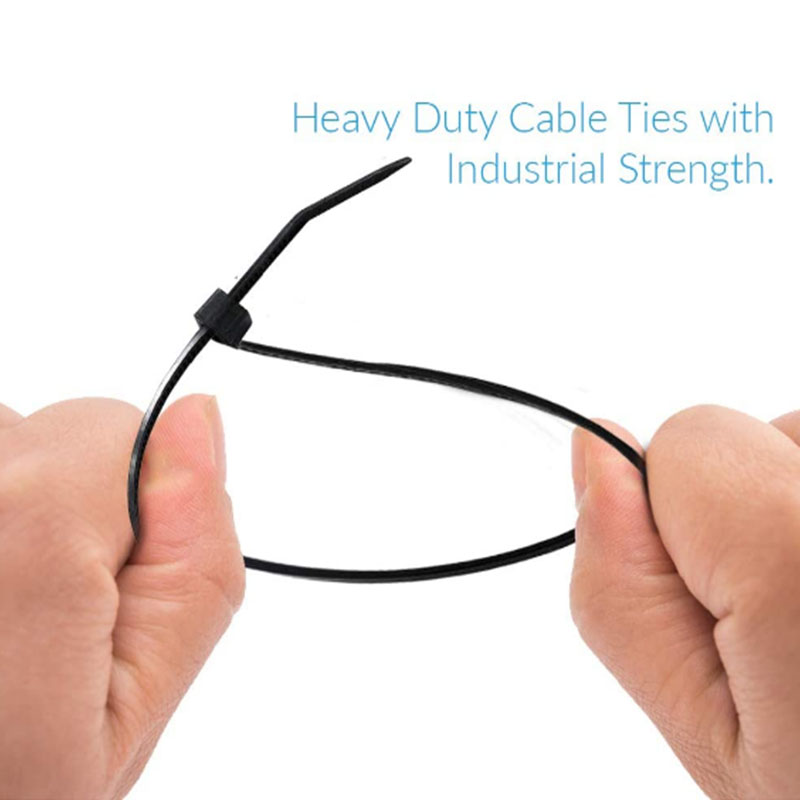
The early design introduced the basic structure still used today: a flexible strap with small teeth and a locking head. When the strap was inserted into the head, the internal locking mechanism allowed it to tighten but prevented it from loosening.
This simple self-locking design greatly improved installation efficiency and became the foundation of modern nylon cable ties.
The Development of Nylon Cable Ties
With the development of plastic materials, nylon became the ideal material for cable ties. Compared with traditional metal fasteners, nylon cable ties offered several advantages including lightweight construction, electrical insulation, corrosion resistance, and easier installation.
Nylon 66, also known as PA66, became one of the most widely used materials because of its excellent mechanical strength and temperature resistance. Today, many professional cable ties are manufactured from high-quality Nylon 66 to meet industrial requirements.
From Electrical Wiring to Global Industrial Applications
Originally developed for aircraft wiring, cable ties quickly expanded into many industries. Today, they are widely used in electrical installations, automotive manufacturing, construction, telecommunications, packaging, and industrial equipment.
Different applications have also created specialized cable ties, including heavy duty cable ties, stainless steel cable ties, reusable cable ties, heat stabilized cable ties, and metal detectable cable ties.
For example, heavy duty cable ties are designed for applications requiring higher tensile strength, while metal detectable cable ties are commonly used in food processing environments where contamination control is important.
The Evolution of Modern Cable Ties
Modern cable ties are no longer just simple fastening tools. Manufacturers continue to improve materials, designs, and performance to meet increasingly demanding applications.
Today’s cable ties can be engineered with features such as UV resistance, flame retardancy, chemical resistance, extreme temperature performance, and enhanced durability. These improvements allow cable ties to perform reliably in harsh environments including factories, outdoor installations, automotive systems, and industrial equipment.
Why Cable Ties Remain Important Today
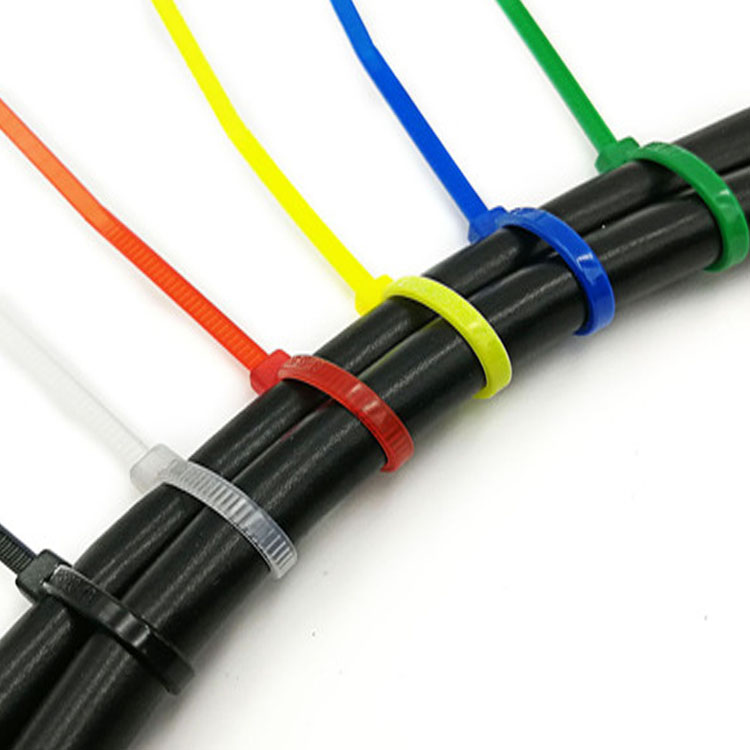
Although cable ties are small components, they play an important role in modern infrastructure. Organized cable systems improve safety, simplify maintenance, and help equipment operate more efficiently.
From aerospace engineering to everyday electrical installations, the evolution of the cable tie shows how a simple idea can become an essential part of modern industry.
Conclusion
The history of cable ties is a story of industrial innovation. What started as a solution for organizing aircraft wiring has developed into a complete cable management system used around the world. With continuous improvements in materials and designs, cable ties will continue to provide reliable fastening solutions for future industries.