2026-07-27
Small Components, Big Impact: Cable Management in EV Charging Systems
When people talk about electric vehicle charging systems, they usually focus on the big things.
Charging speed.
Power output.
Battery technology.
Network connectivity.
But behind every reliable EV charging station, there are hundreds of smaller components working together.
Wires need to be routed correctly.
Connections need to stay secure.
Components need to survive years of outdoor exposure.
Among these details, cable management is often overlooked.
Cable ties, wire connectors, and other small accessories may not be the most visible parts of an EV charging system, but they play an important role in keeping the equipment reliable, organized, and easier to maintain.
The Hidden Challenge Inside EV Charging Systems
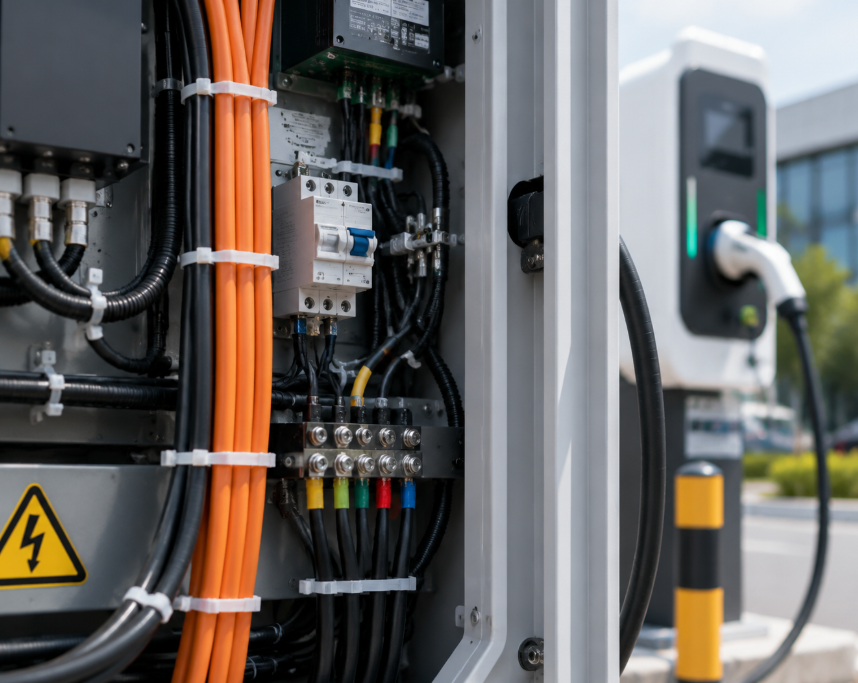
A modern EV charging station is more than just a charging cable and a display.
Inside the enclosure, there are many electrical components working together:
-
Power cables
-
Control wires
-
Communication cables
-
Sensors
-
Circuit protection devices
-
Electronic modules
All these cables need to be installed in a limited space.
Without proper cable management, wiring can become difficult to inspect and maintain.
Over time, poorly managed cables may experience:
-
Excessive bending
-
Mechanical stress
-
Contact with sharp edges
-
Loose routing caused by vibration
A reliable charging system starts with proper cable organization during installation.
Why Cable Management Matters More in Outdoor Charging Stations
Many EV chargers are installed outdoors.
Unlike indoor electrical equipment, outdoor charging stations must handle changing weather conditions every day.
They may face:
-
Strong sunlight
-
Rain and humidity
-
Temperature fluctuations
-
Dust and dirt
-
Winter freezing conditions
These conditions can affect many materials over time.
For cable management components, choosing the right material is important.
A standard cable tie may work well in a controlled indoor environment.
However, outdoor charging infrastructure often requires solutions designed for long-term exposure, such as:
-
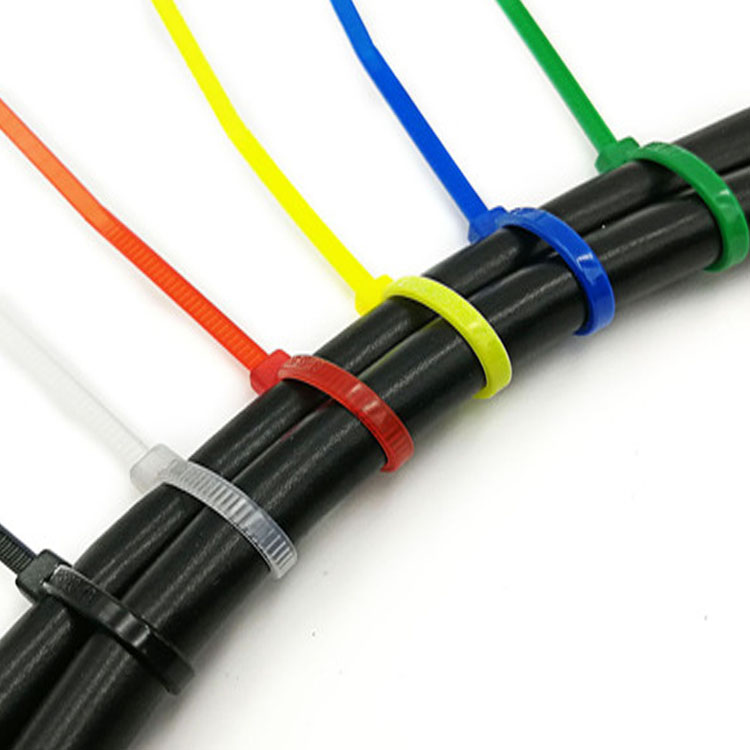
UV resistant cable ties
-
Heat stabilized cable ties
-
Stainless steel cable ties
The goal is not simply holding cables together.
The goal is maintaining reliable performance throughout the service life of the equipment.
Cable Routing Is More Than Keeping Things Neat
A common misunderstanding is that cable management is mainly about appearance.
A clean installation does look professional.
But good cable routing has practical benefits.
Properly organized cables can help:
Easier Maintenance
Technicians can quickly identify and access the correct wiring during inspection or repair.
Reduced Mechanical Stress
Cables are less likely to be pulled, bent excessively, or damaged by movement.
Better Assembly Efficiency
For EV charger manufacturers, organized wiring can make production and quality inspection easier.
In large-scale manufacturing, small improvements during assembly can create significant benefits over thousands of units.
Choosing the Right Cable Ties for EV Charging Applications
Different parts of an EV charging system may require different cable management solutions.
There is no single cable tie that fits every application.
Outdoor Charging Infrastructure
For charging stations installed outdoors, UV resistance is a key consideration.
Long-term sunlight exposure can gradually reduce the flexibility of standard materials.
UV resistant cable ties are commonly selected for outdoor environments where durability is required.
Heavy Cable Bundles
EV charging equipment often contains larger power cables.
These cables are heavier and require secure support.
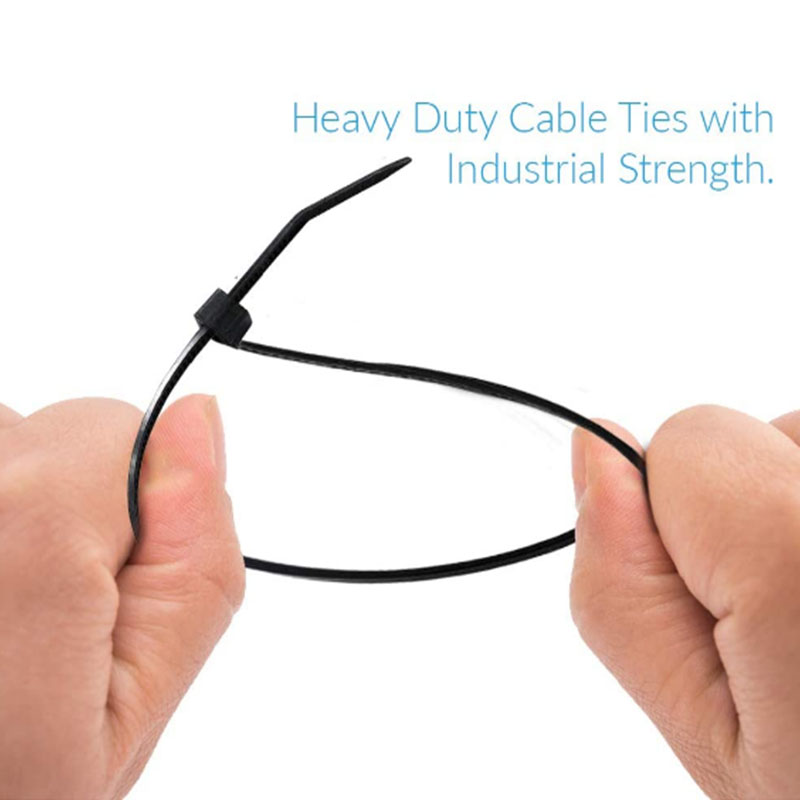
Heavy duty cable ties provide higher mechanical strength for applications where stronger holding performance is needed.
Areas Requiring Regular Maintenance
Charging infrastructure continues to develop.
Equipment may need upgrades, inspections, or cable adjustments over time.
For these applications, releasable cable ties provide flexibility.
Technicians can open the cable bundle, make changes, and secure it again without replacing every tie.
A small design choice can save significant maintenance time.
Why Manufacturers Pay Attention to Small Details
For EV charging manufacturers, reliability is not only about the main electrical components.
A charging station installed today may need to operate for many years.
Every component inside the system affects:
-
Product lifespan
-
Maintenance requirements
-
Customer satisfaction
A cable tie may cost only a few cents.
A connector may seem insignificant.
But when thousands of charging stations are installed, small reliability improvements become meaningful.
Building Better EV Charging Systems Starts With Every Detail
The future of electric transportation depends on reliable charging infrastructure.
Large components determine what a charging station can do.
Small components help determine how long it can keep doing it.
Good cable management is not just about organizing wires.
It is about protecting the system, simplifying maintenance, and creating equipment that performs reliably in real-world conditions.
In engineering, the smallest details often have the biggest impact.