2026-05-22
Wire Connector – Reliable Solutions for Safe Electrical Connections
A wire connector is an essential component for any electrical installation. It provides a safe, reliable, and efficient way to join two or more electrical wires together. Unlike traditional soldering methods, wire connectors are quick to install, reusable in some cases, and ensure consistent conductivity and insulation. Whether you are working on residential wiring, industrial projects, or automotive applications, using a high-quality wire connector guarantees both safety and performance.
What is a Wire Connector
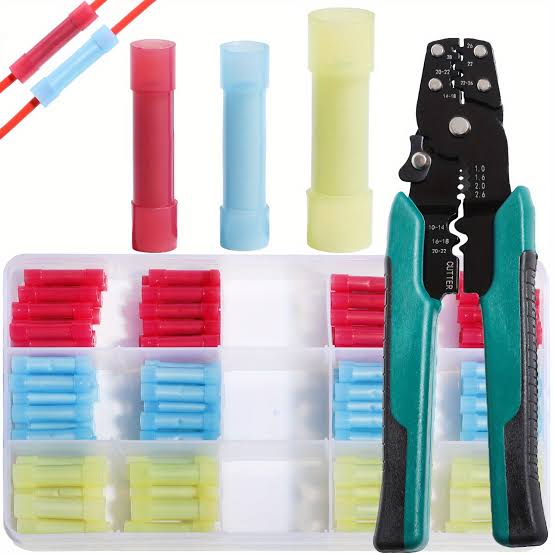
A wire connector is a small device made of an insulating plastic shell and an internal metal spring or spiral. The metal part secures the wires by gripping them tightly when the connector is twisted onto the stripped wire ends. The plastic shell provides insulation, preventing short circuits and protecting against electrical shock.
Wire connectors are designed to accommodate multiple wire sizes and types, making them highly versatile. They are widely used in lighting installations, electrical panels, household appliances, and any project where multiple copper wires need to be joined safely.
Types of Wire Connectors
There are various types of wire connectors suitable for different applications:
-
Twist-On Wire Connectors: The most common type, these are easy to install by simply twisting the cap onto the wire ends. They are available in different colors to indicate the wire gauge and number of wires that can be connected.
-
Push-In Wire Connectors: Also known as lever nuts, these connectors allow wires to be pushed in and secured without twisting. They are reusable and provide quick, secure connections.
-
Self-Stripping Wire Connectors: These connectors automatically strip the wire as it is inserted, saving time during installation.
-
High-Temperature Wire Connectors: Made from heat-resistant materials, these are ideal for industrial or high-current applications.
Each type has its advantages, and choosing the right wire connector depends on the number of wires, wire gauge, and environmental conditions.
Advantages of Wire Connectors
Using a wire connector offers several benefits:
-
Safety: Prevents exposed wires and short circuits, ensuring safe electrical connections.
-
Durability: High-quality connectors are resistant to heat, corrosion, and wear.
-
Efficiency: Quick to install compared with soldering or mechanical crimping.
-
Versatility: Suitable for multiple wire gauges, types, and configurations.
-
Reusability: Some connectors can be removed and reinstalled without losing effectiveness.
High-quality wire connectors often comply with international electrical standards, providing assurance of both safety and performance.
Applications of Wire Connectors
Wire connectors are used in a wide range of industries and applications:
-
Residential Wiring: Connecting wires in light fixtures, outlets, and switches.
-
Industrial Wiring: Securing cables in machinery, control panels, and high-current circuits.
-
Automotive Applications: Ensuring stable connections in vehicles’ electrical systems.
-
Renewable Energy Systems: Connecting solar panels or wind turbines where reliability is critical.
-
Marine and Outdoor Environments: Using corrosion-resistant connectors for boats, docks, and outdoor installations.
For any project requiring safe and reliable wire connections, wire connectors are the preferred solution.
Installation Tips for Wire Connectors
Proper installation is key to ensuring performance and safety:
-
Strip the insulation off the wire ends, typically 1–2 cm.
-
Align the wires together and insert them into the connector.
-
Twist the connector clockwise until it is firmly secured (for twist-on types).
-
Pull gently on the wires to ensure they are tightly connected.
Using the correct wire connector for the wire gauge and type is essential. Overloading a connector can lead to loose connections or overheating, while under-sizing may prevent a proper grip.
Choosing the Right Wire Connector
When selecting a wire connecto consider the following:
-
Wire gauge compatibility
-
Number of wires to be connected
-
Environment (indoor, outdoor, marine)
-
Current rating and temperature resistance
-
Material quality (insulating plastic shell and metal spring)
High-quality connectors provide a reliable electrical path, reduce maintenance needs, and ensure compliance with safety standards.
Conclusion
A wire connector is a simple yet critical component for any electrical project. From residential lighting to industrial machinery, automotive systems, and renewable energy installations, wire connectors offer safety, durability, and efficiency. Choosing the right type and quality ensures secure electrical connections that last, reduces the risk of accidents, and improves overall system reliability. Investing in high-quality wire connectors is a small step that guarantees long-term performance and peace of mind.